Why Bad Things Happen — a Heathen’s Perspective
 If you’ve followed my blog for more than a couple of years, you know I’ve written about why bad things happen before. But sometimes pieces need updating, and quite honestly, there’s enough turnover in readership to warrant another look at why bad things happen.
The Year of Hell
This year, 2020, will officially be known at my house as the Year of Hell. It started with a close relative dying and went down from there. You already know about the pandemic and economic down turn, as well as the civil unrest.
If there’s any consolation with this pandemic, I may have already gotten COVID-19 and the proverbial Angel of Death has passed by my door. This time. Another positive side, I don’t live in an area with lots of protests. We have also (so far) escaped having a really awful fire season around here, even though we’ve had to deal with unhealthy air from the Washington/Oregon/California fires. I’m not getting as many work assignments, which cuts the money back, but my spouse hasn’t been laid off, and I’m still capable of writing. So, that’s what I’m doing. But, I’ve been watching the news in total disbelief at people’s behavior.

I want to slap everyone’s face and shout, “What is wrong with you people?”
Obviously, that isn’t going to happen, so I am holed up in my little home, hoping the moron who sneezed nearby me at a grocery store didn’t have COVID-19.
Yeah, it’s that kind of year.
No, the Gods Are Not Punishing Us
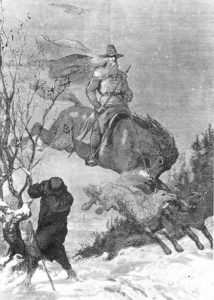
 Bad things happen all the time. Because we’re raised in a Christian society, we’re tempted to draw the conclusion that the gods are punishing us. After all, the Judaeo-Christian god is great at punishing mortals, if you believe the Old Testament. And our Heathen gods and goddesses can be vengeful, but this isn’t necessarily the case when it comes to humans. Unless you really piss off Old One Eye, (Hi, Odin!), chances are you’re just a victim of random events. I mean, seriously, what can one mortal do to garner the wrath of a god or goddess? Certainly not enough to warrant a pandemic, race riots, violent protests and responses, epic wildfires, a global depression, and a very contentious presidential election.
Let me put this in perspective: humans are nothing compared to the universe. The gods take interest in us because we are their children. But they don’t take interest in everyday affairs unless they want to. When the forests become kindling because of a shift in the weather patterns, it’s unlikely Loki threw a match in to start the fires. Rather, he might enjoy the chaos of the outcome, but that is his darker nature. But the wildfire that ensues is either because of lightning, or it is manmade in some way.
Bad Things Happen Randomly
It’s more likely that bad things occur randomly, or may have been set in motion due to poor choices people made. The gods didn’t cause COVID-19 to jump from a bat to a human by way of pangolin or some other animal; viruses are quite handy at doing it by themselves. Chances are, it was the folly of a vendor who trafficked the infected animal, the person who ate the infected animal, or (if you believe the story about the Wuhan laboratory) the lab that isolated the virus. In other words, we have no one to blame–or at least no one to blame but ourselves, as humans.
Why We Look to the Gods when Bad Things Happen
 As humans, we often look to higher beings when bad things happen. It’s part of feeling helpless. We ask the gods to help us, or we blame the gods for something that happened to us. But the gods are not our bitches. They don’t run when we call; they often don’t cause calamities either. The tornado that touches down does not know or care that people are in its way. It simply behaves according to its nature as defined by physics.
Likewise, viruses don’t care if you’re the president of the United States or if you’re a child in a third world country. It will infect you if you don’t take precautions against it, and the random luck of your genome and your health may be the only thing that might protect you if you somehow contract the disease.
It’s human nature to look to a higher power when something bad happens. Questions run through our minds such as “Why didn’t Eir stop this?” “Why is Odin punishing me?” “Will Thor protect me?” Our gods generally don’t take sides when it comes to our lives, although we may try to please them with offerings and ask for help, but there are no guarantees. Even Frigg and Odin couldn’t stop the death of their son, Baldr.
Our Wyrd is our Wyrd. It’s how we respond to it that can change it. Not our prayers or offerings.
Why Bad Things Happen
Bad things happen. Good things happen. Sometimes things happen for no reason. Sometimes things happen because humans set things in motion without knowledge of the consequences. And sometimes there are bad people who do bad things. Being in the wrong place at the wrong time. Sometimes Murphy is in control.
I can look at this year and wish it were gone already. It doesn’t mean that next year will be better, but there is always hope that things will improve.
What Can We Do When Bad Things Happen?
 Believe it or not, you aren’t totally at the mercy of fate. There are things you can do to prevent further calamity—at least to yourself. Just like people who wear seatbelts in a rollover crash and somehow survive, you can make everyday choices that will put the odds in your favor if something bad does happen. I mean, some of it is a no-brainer, like wearing seatbelts, wearing a mask when you’re in public, washing your hands, and getting your flu shot. Some things take a little more planning, like when you go on vacation, or choose to live in an area where natural disasters occur. We evolved with a pretty big brain and enough foresight to conceive of possibilities. Use your brain and think it through. Maybe driving while intoxicated isn’t safe, and you should get a cab instead? Maybe driving with your headlamps off at night isn’t clever?
Occasionally, you’re going to have bad shit happen that you can’t work around. Trust me, I know. I’ve lost people to bad things that I had no control over, although, in retrospect, they did when it came to matters regarding their health. Still, there are things you can’t always account for, and with the exception of Odin and the Norns, we pretty much don’t have a clear picture of everything in our future. But just remember, the gods aren’t out to get you, unless they’ve told you they are.
And even then, don’t believe everything you hear. Seriously. We can’t control everything, so control what you can and move on.

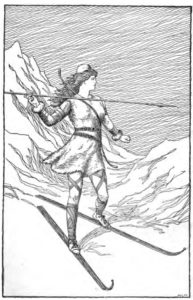 We know more about Skadi than Ullr, so I’ll talk about her first. Skadi is a Frost Giant (or Jotun) turned goddess and is the daughter of Þjazi. Skadi has a single story (although she and Loki argue in Lokasenna) on how she sought justice for the death of her father, Þjazi. Þjazi was the Jotun who tricked Loki into stealing Idunn and her Golden Apples from the gods.
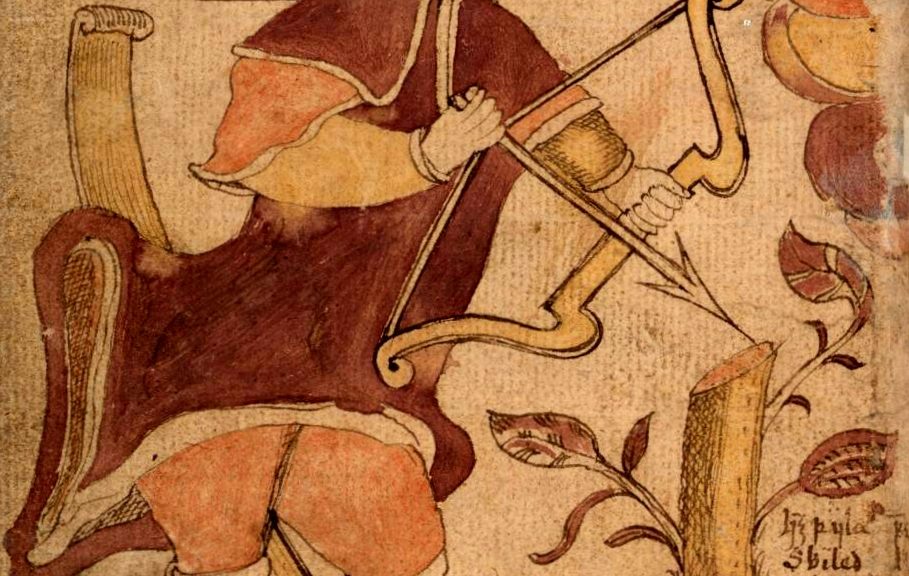
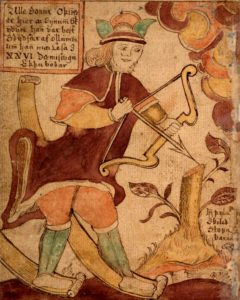 Now we come to Ullr, and by the gods, there isn’t a lot written up about him. Which is a shame, because Ullr was an important god in the Northern countries. Ullr is the god of wintertime sports and hunting. He is also the god of oaths; our ancestors swore on Ullr’s oath ring. Ullr was called on in duels, presumably to oversee the contest or to grant favor. He was also the head of Asgard when Odin was in exile for ten years.
 Before I go further with this, I want to caveat this by saying these are my experiences with these gods, and like anything, Your Mileage May Vary. I’ve had plenty of dealings with Skadi, but not Ullr. Back when I competed in a certain winter sport, Skadi and I held an uneasy truce. I was a lot more wary of her then, and while I know she is a very dangerous goddess, over the years I’ve come to understand her. She doesn’t suffer fools in her territory, so every time I am out in the backcountry, I am aware she could take me out.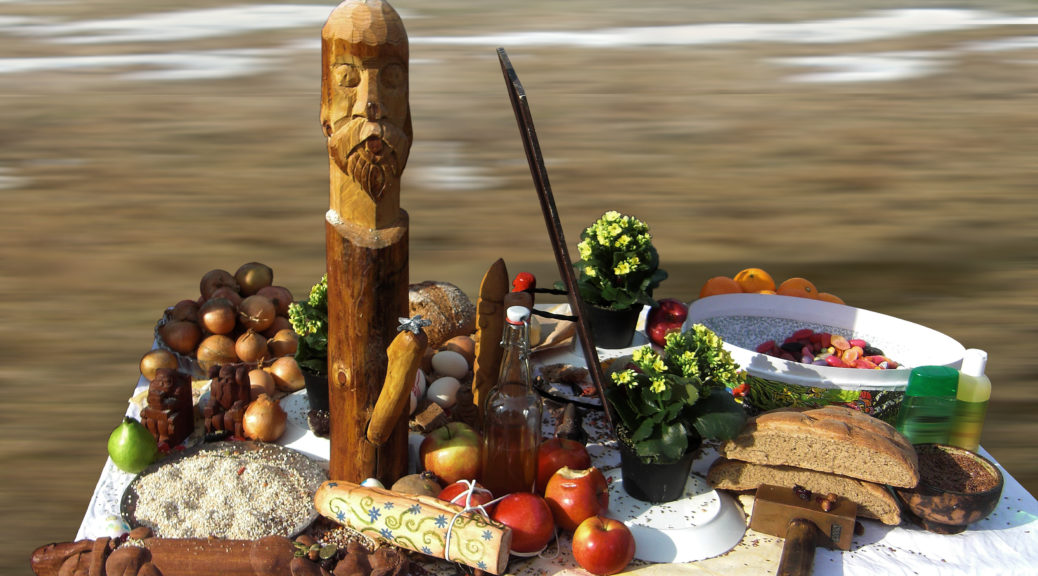
 Choosing a god
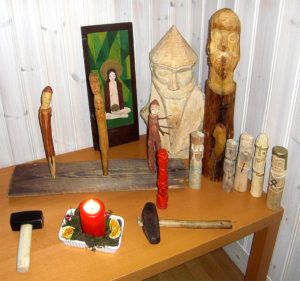 Some Heathens in history incorporated other gods and goddesses into their worship as they learned of them from other tribes, kindreds, and even other ethnicities. The Vanir are probably the best known for this. Some scholars believe that our ancestors added another tribe’s gods and goddesses that became the Vanir. Even when Christianity came to our northern ancestors, many tried to incorporate Jesus as another god in the pantheon. Of course, that didn’t really work too well, but we can see by the Icelandic Cross, jewelry makers were catering to both sides for a while.
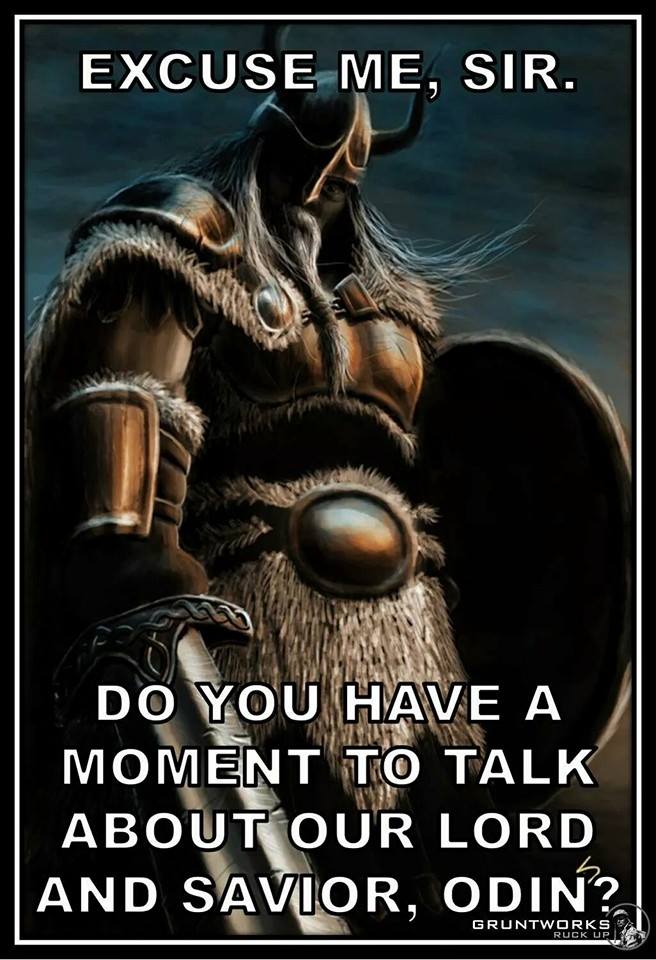 A lot of newbie Heathens tend to go with Odin, Thor, Freyja, or Loki, largely because of popular media. This is fine, and those gods are good within their own rights (although people might argue about Loki), however, that’s pretty much how far those new Heathens take it. They look at Odin as the All-Father in the same way that Christians look at Yahweh as “God the Father.” This comparison is laughable—or, maybe not, given the mercurial temperaments of both deities—when they are different in a number of ways. There are more gods and goddesses that may be far more influential and far more relevant in one’s life than the All-Father.
 grandparents, great-grandparents, and so on. They are the people whose blood runs through your veins. Without them, you would not be alive today.
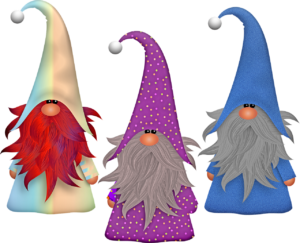 The Wights can be very helpful or harmful, depending on their nature and how you treat them. There are rules to make the Nisse happy, for example. Nisse or Tomte like having porridge with milk and a pat of butter on either Winter Solstice or Christmas, depending on which lore you follow. If you skimp (no butter) or don’t leave the offering, they can cause havoc.

 The term, “wight,” comes from Middle English, but we really have

 It’s my guess—and you folks can argue with me over this—that most Heathens are pretty convinced that wights aren’t corporeal creatures, but more likely spirits. Or maybe they consider wights the personification of the natural forces at work. In other words, they aren’t really singular entities. Some people feel that they are ancestors—and yes, there are good cases for this. And some people believe them to be a little below gods. Again, there is a case for that as well.


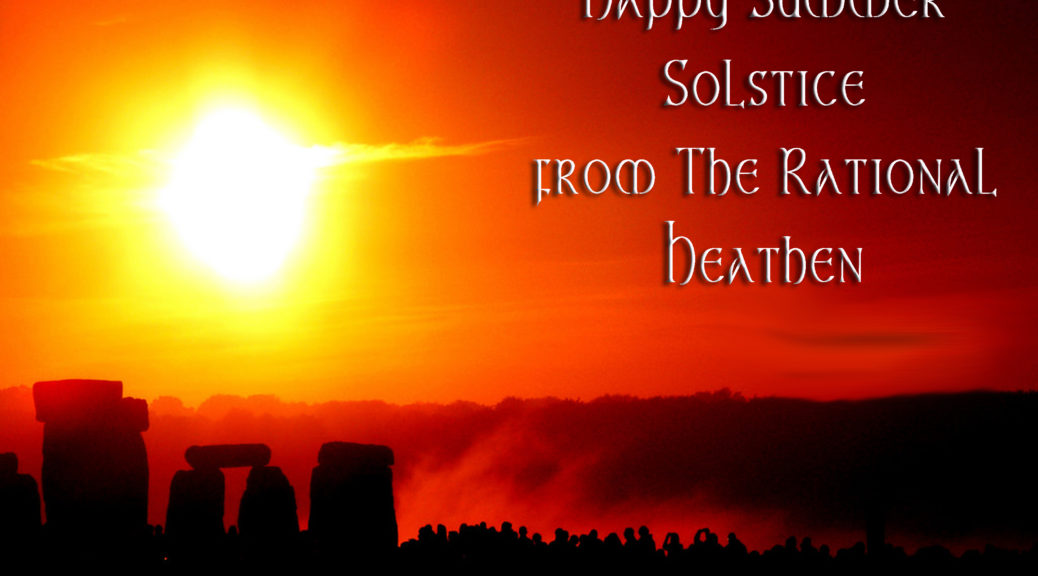
 Okay, this is for those early birds who can get up and greet the new day. Or, for those of us who are night owls, who stay up long enough to see dawn break. The rest of you mere mortals will probably be a bit bleary-eyed for this. Even so, prepare a blot and offer it to Sunna, the wights, the ancestors, and to the gods and goddesses of summer.
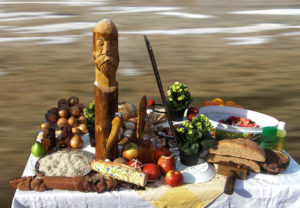
 Thank the gods and goddesses for another year, and leave them offerings for good harvests and health. Don’t forget the wights and the ancestors either, especially when it comes to good harvests on the summer solstice. The local wights are said to make the difference between a good harvest and a bad one. So, even if you’re agnostic about wights, like I am, err on the part of superstition and offer them something. Don’t have an
 The best way to celebrate the summer solstice is to get outdoors and do something that helps you enjoy the long daylight. This includes simple things like taking a walk, going hiking, going fishing, or doing some type of activity that involves getting outdoors. With COVID-19, remember to keep your distance from people who are not in your household, and to wear masks if you’re heading somewhere people are present.
 You do have a garden, don’t you? Even if it’s only a few herb pots or flowers, give them extra care today. Summer solstice is the longest day of the year when photosynthesis is at its peak due to all that sun. Even if it’s cloudy, the daylight provides extra time for growth.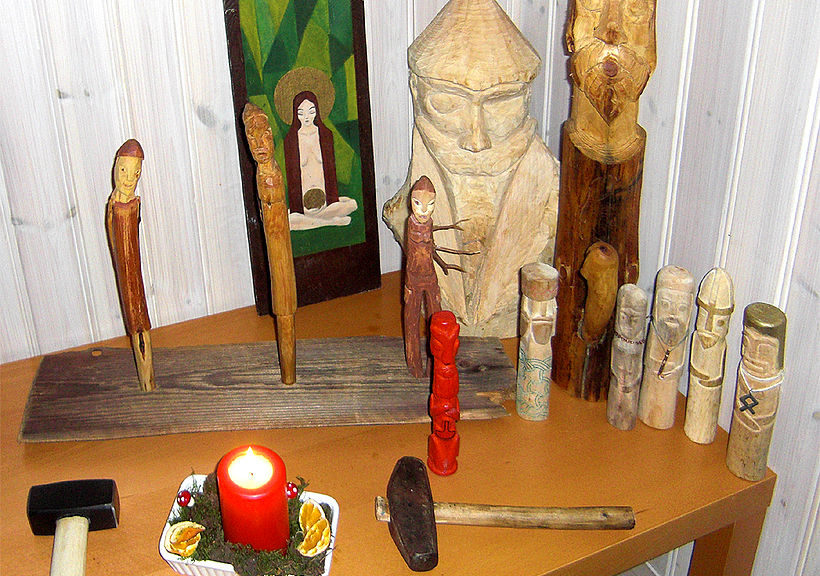
 Because of Christianity, we really don’t have much information to go on when it comes to Heathen altars.. We can assume they set altars in the corner of the house. Most likely, they had small statues and other objects that they considered holy. Maybe they were significant to the wights of the area and the gods. Offerings were left at the indoor altar to the gods and local wights. and it was a place to reflect and pray.
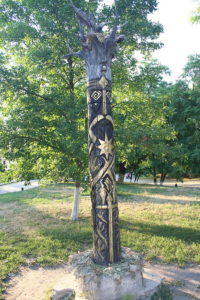 Christianity. As a matter of fact, our ancestors understood thresholds very well. As a result, they ringed their hofs (temples) with fences made from stone or wood. The inside yard, Heathens called a hörgr, and everything within it was considered holy.
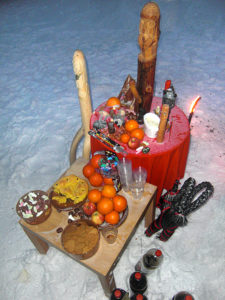 in a special spot in your yard. I’ve heard of people using sticks, or even tongue depressors and drawing the pictures of the gods on them using permanent markers. You can also write the names of the gods you wish to honor on the stick in runes and use them that way.
 If you even pay attention to the news in a small way, you know the current riots have been precipitated by the death of George Floyd, a black man who died after a police officer knelt on his neck for minutes even after he gasped, “I can’t breathe.” This post has to address that incident before I can get to the issue that also needs addressing: riots. I’ll say right out that cops have some of the most thankless jobs, and most are good people. There are black cops, Hispanic cops, and cops of various minorities. But, there are bad cops too. The police force is made up of people. Some people are good; others bad. It’s just what it is.
 our Constitutional right to protest peacefully. It’s the riots that have me scratching my head.
 If you’re anywhere