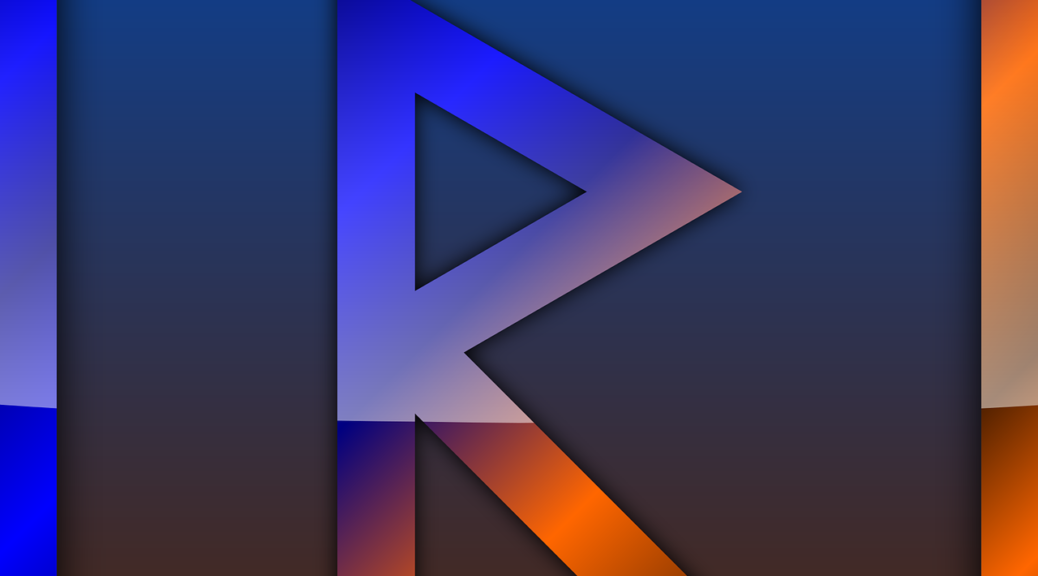
The Elder Futhark: Raidho
The fifth rune of Freyr’s ætt is Raidho, which corresponds to “R” in the Latin alphabet (the alphabet we use). If you haven’t noticed the similarity between the other runes I’ve shown and our own alphabet, you probably will see it in Raidho and our letter R. Whether our runes were based on an older form of the Latin alphabet or whether they evolved from an older Indo-European alphabet is up for conjecture. If you want to read about the origin of the runes, you can do that HERE.
Raidho‘s Meaning
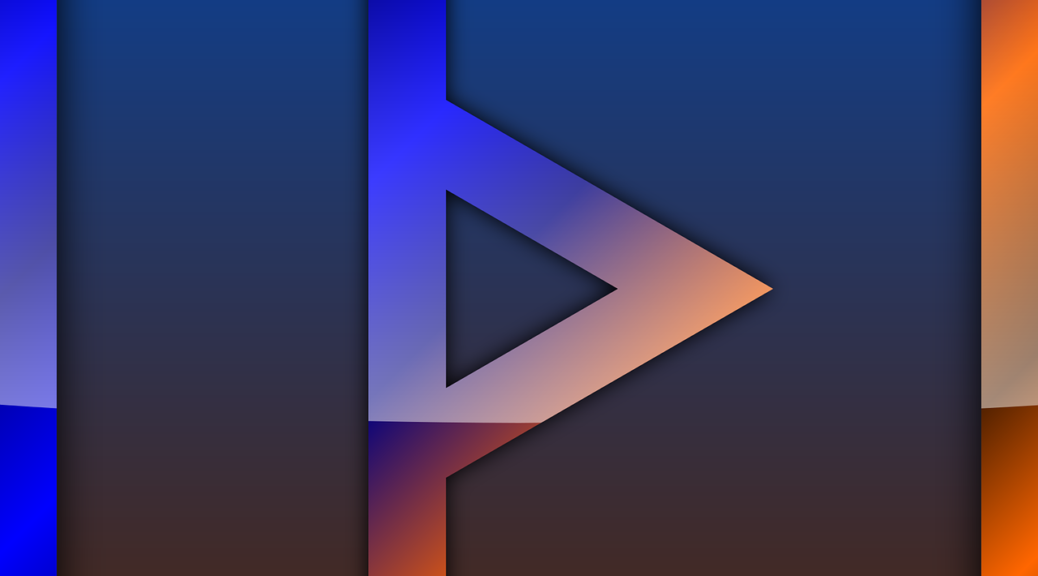
In Anglo-Saxon Raidho is Rad and in Old Norse it is Reid. Raidho is the rune of travel. It means a wheel, cart, chariot, or journey. Our ancestors considered travel very important because it required a fair amount of effort to go someplace. When you’re limited to walking, snowshoes, carts, travel using animals, or ships, you had a fair amount of effort involved, both physically and mentally. You left your safe confines of home to journey into less safe territory and unknown lands. Like any travel, it could be good or bad.


Divination with Raidho
When you get this rune in a casting, you’re looking at movement, whether physically, emotionally, or mentally. It can mean something like business and vacation travel when dealing with physical movement. It could mean an actual move or change in residence. Or it could mean changes in perspective when it comes to a situation, relationship, or point-of-view.
Raidho often means leaving something that you know for somewhere you aren’t necessarily familiar with. It can be scary, if you’re not ready for it, or it might be a welcome change you’ve been looking for. Regardless, Raidho means movement, and that means it can provide either good or bad, depending on the matter under consideration.

You may notice I caveat a lot of rune readings by saying the meaning depends a lot on the runes surrounding the rune in question. The runes feed off of each other, creating a broader picture for the caster. Raidho is no different in that regard. You may find that Raidho foretells of a job opportunity–or it could foretell of a layoff–depending on the runes surrounding it and the circumstance.
Some Final Thoughts on Raidho
Raidho is one of those runes I actually like. Not because I hate being in the spot I’m in, but more because it can provide opportunities I would normally miss if everything continued to stay the same. Sure, it can bring negative consequences, but the times I’ve seen Raidho in a cast, it usually indicates physical travel for me–and usually something I’ve been expecting. You may find Raidho to be like that, or maybe it speaks more to your mental or emotional state. Regardless, it is a rune of change, both good and bad.
—
Disclaimer: This post contains affiliate links. If you purchase something from these links, I get a small stipend which helps support The Rational Heathen. I would encourage you to support my site. Thanks.








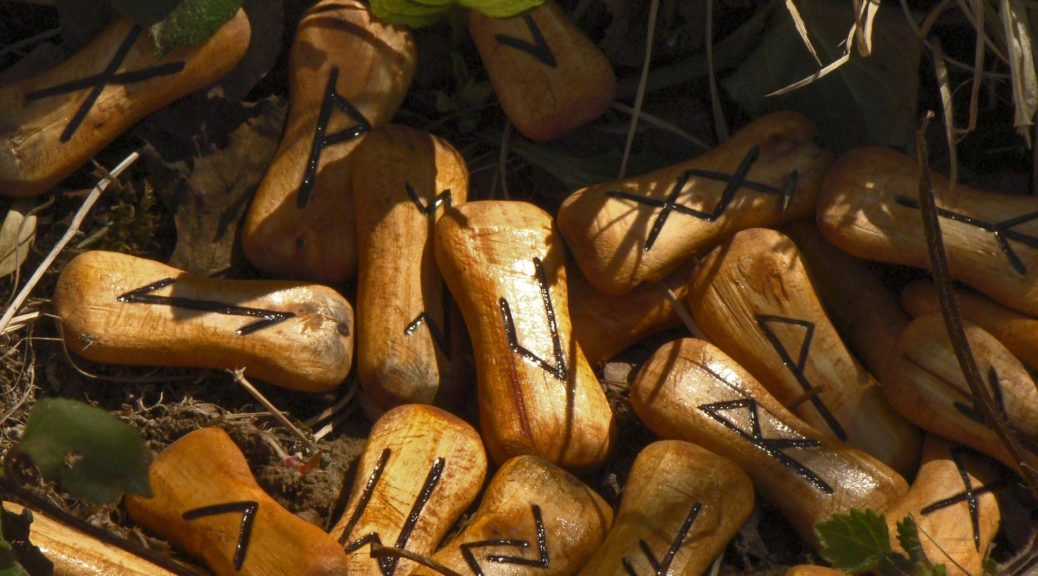
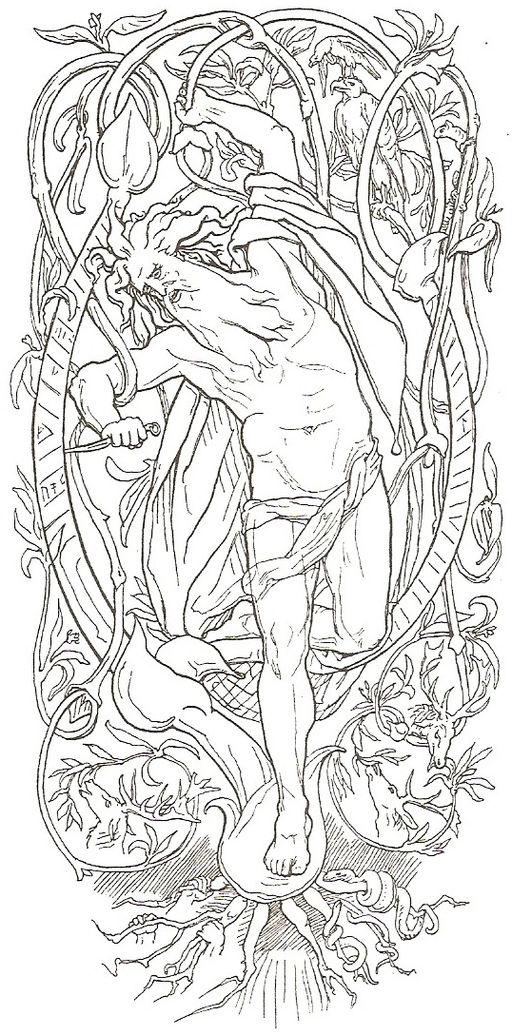
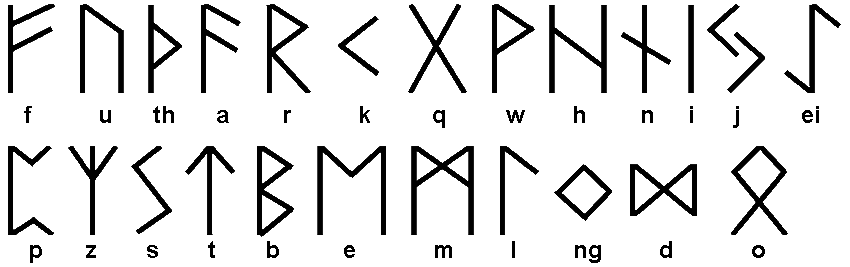
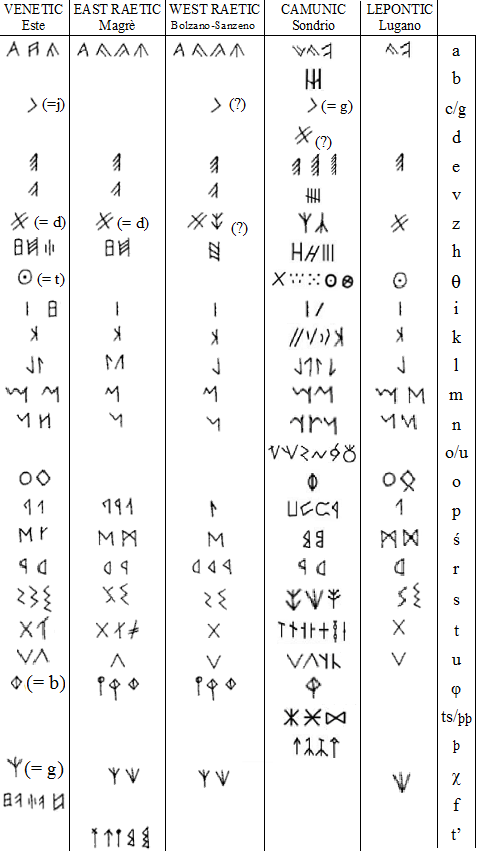 If we look at the runic alphabet from archaeology, we can get a sense for where the runes came from. Even so, it’s sort of a mystery how the runes came into being. We know that the oldest runes, the Elder Futhark, were written as early as 150 AD or CE (Common Era). But whence they came is as interesting as the story in the Havamal. Runes may have be derived from what are called the Old Italic Alphabets, which includes the
 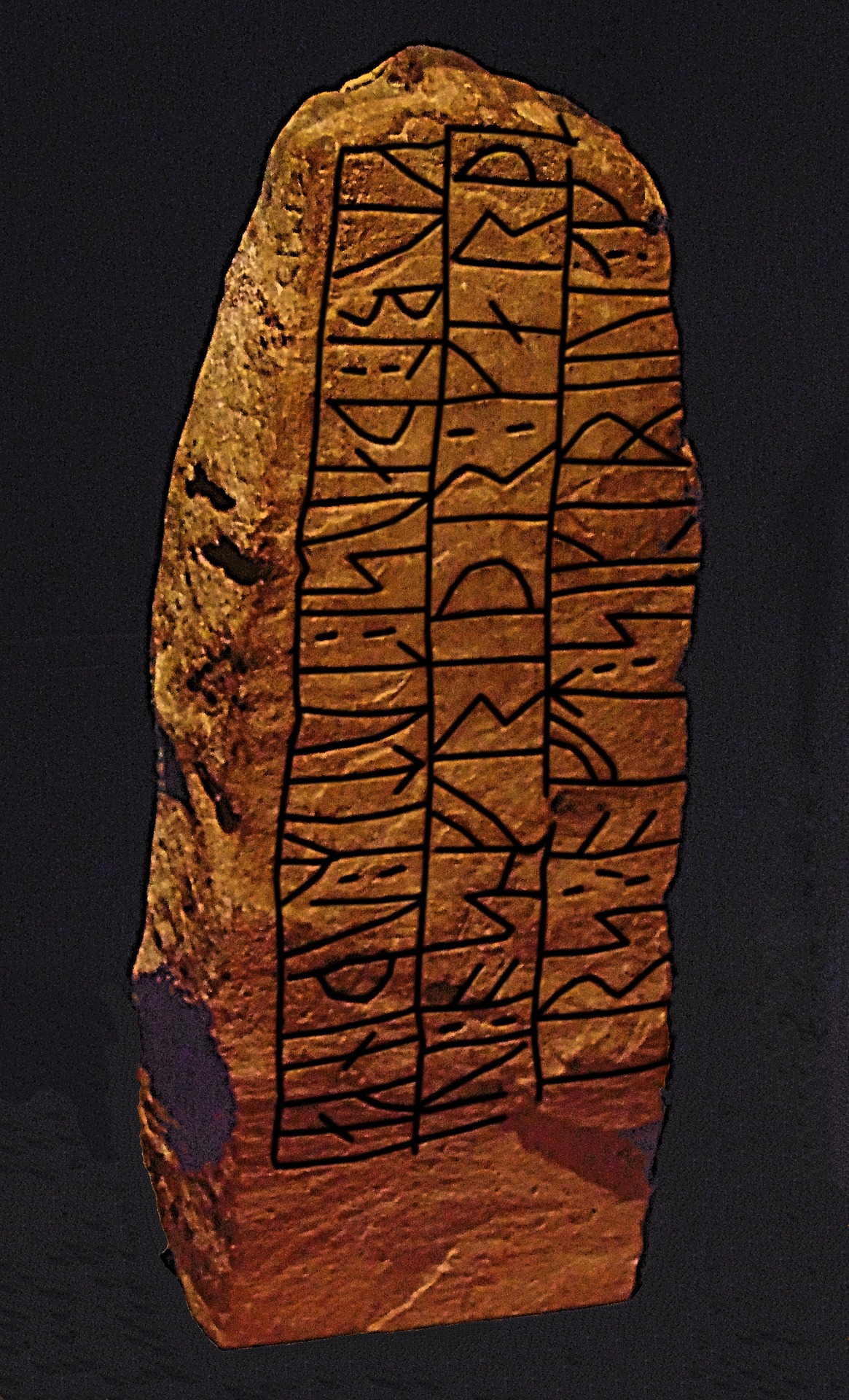 Our ancestors ascribed magical powers to the runes, and it’s not hard to guess why. If you’ve never had a way to keep knowledge available for generations to come other than oral tradition (which had problems with changes over time, and lost information due to untimely deaths), it would seem like magic. Think how magical it would be to have a way for your ancestors to speak to you. Those who could write the runes must have appeared to be very powerful shamans to less learned folk. And those who could read the runes were certainly powerful in knowledge.


