The Norse Calendar: Skerpla – The Month of Brightness and Clearness
The month of Skerpla roughly corresponds to our modern month of May. It was the second month of the summer season. Here we’ll explore the historical and mythological significance of Skerpla. You’ll also learn why it was important for the Norse pagan communities.
What is Skerpla?

Skerpla was a month in the Old Norse calendar that marked the transition from spring to summer. Arguably, the name Skerpla may mean “brightness” or “clearness,” and some scholars think it refers to the increasing light and longer days of the summer season. During Skerpla, the days would become noticeably longer, and the sun would rise earlier and set later.
Skerpla in the Old Norse Calendar
The Old Norse calendar had a unique way of dividing the year into distinct seasons and months. The Norse divided their calendar into two main seasons: winter and summer. They divided winter into six months, which roughly corresponds to October, November, December, January, February, and March. They also divided summer into six months, which roughly corresponds to April, May, June, July, August, and September.
Each month in the Old Norse calendar has its own unique name, which came from the seasonal or agricultural activities that took place during that time of year. Skerpla was the second month of the summer season. It was when people would prepare their farms and fields for planting and cultivation.
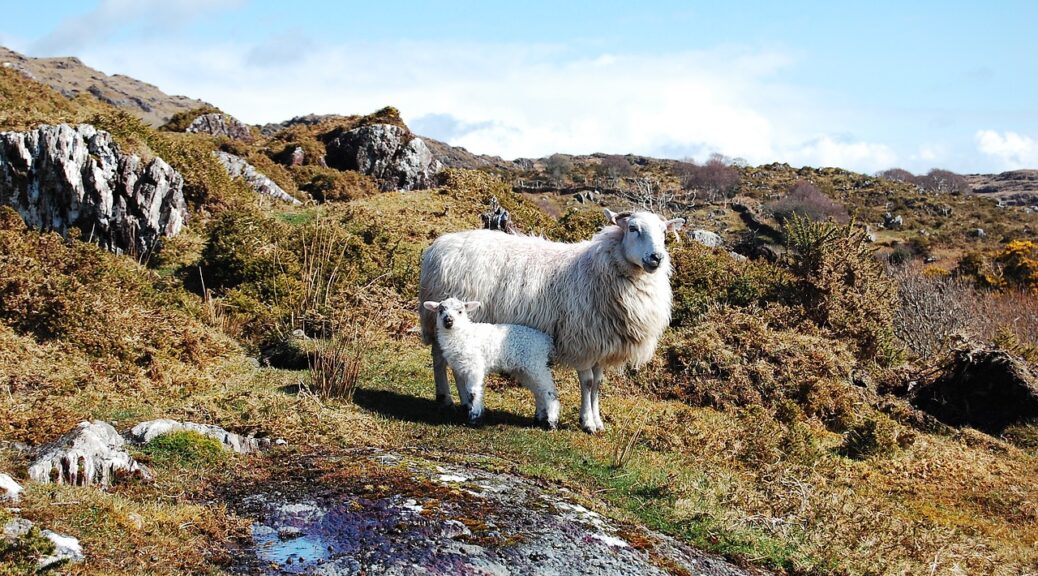
Skerpla was when the days grew longer and the weather grew warmer. During Skerpla, people celebrated the return of life and growth to the land, and honored the gods and goddesses who presided over fertility, agriculture, and nature. This month also had the names stekktíð and eggtíð, meaning lambing time and egg time. The Norse, who were predominantly an agrarian society, named their months after the specific periods during which various farming tasks were carried out.
Skerpla in Norse Mythology
Skerpla was an important month in Norse mythology, and it was associated with several gods and goddesses who influence the natural world and the changing of the seasons.
Freyja is one of the most important goddesses of Norse mythology. People associate her with fertility, love, and beauty. Freyja is a goddess of the earth and the natural world, and she is associated with the growing and harvesting of crops.
The goddess Sif is also associated with Skerpla, and she is believed to be a goddess of agriculture and the harvest. Sif is the wife of the god Thor, and she is known for her long, golden hair, which is believed to represent the golden fields of grain that farmers planted.
In addition to the gods and goddesses, this month is also associated with a number of other mythical beings and creatures. The most famous of these are the alfar, or elves, who are believed to inhabit the natural world and possess magical powers.
Holidays and Celebrations
There is one holiday and celebration that took place during Skerpla, which is marked by feasting, dancing, and other forms of merrymaking. The Norse called it Dísablót, and it was a very important celebration.
 Dísablót is a celebration of female ancestors, or Dísir, is the major holiday that begins Skerpla, usually on May 14th. People celebrated this holiday with feasting and singing. The Dísir, like the Alfar, are considered powerful guardians–some even becoming goddesses. Since they are female ancestors, people offer blóts, usually of food and mead. I wrote a piece about Dísablót HERE.
Importance of Skerpla
Skerpla was an important month for the Norse and Norse pagan communities, as it marked the beginning of the agricultural season. During this month, people would prepare their fields and plant their crops. It was a busy time for everyone because the work done now would eventually lead to food for the winter.
Skerpla was an important month for our ancestors. It was a time of transition and change, as the days grew longer and the weather grew warmer. People celebrated the return of life and growth to the land, and honored the gods and goddesses who presided over fertility, agriculture, and nature. Skerpla was a time when people would come together to celebrate the abundance of the earth and the changing of the seasons.
—
Did you know you can become my patron for as little as $5 a month? This entitles you to content not posted anywhere else. Plus you get to see posts like this three days before the public! Without patrons, I’d be having a very hard time keeping this blog going. Become a patron today!Become a Patron!
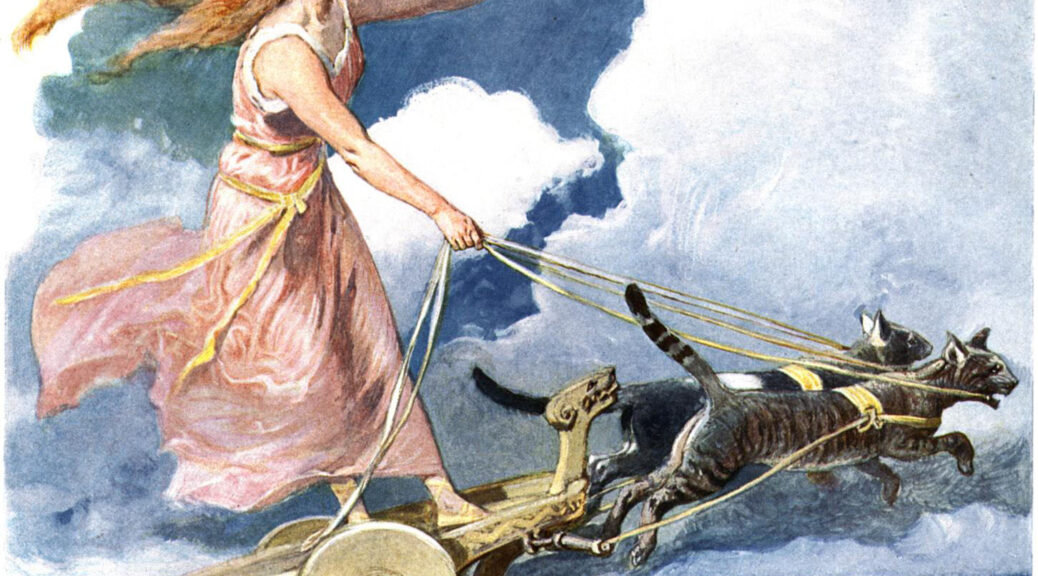
 Okay, this is for those early birds who can get up and greet the new day. Or, for those of us who are night owls, who stay up long enough to see dawn break. The rest of you mere mortals will probably be a bit bleary-eyed for this. Even so, prepare a blot and offer it to Sunna, the wights, the ancestors, and to the gods and goddesses of summer.
 Thank the gods and goddesses for another year, and leave them offerings for good harvests and health. Don’t forget the wights and the ancestors either, especially when it comes to good harvests on the summer solstice. The local wights are said to make the difference between a good harvest and a bad one. So, even if you’re agnostic about wights, like I am, err on the part of superstition and offer them something. Don’t have an
 The best way to celebrate the summer solstice is to get outdoors and do something that helps you enjoy the long daylight. This includes simple things like taking a walk, going hiking, going fishing, or doing some type of activity that involves getting outdoors. With COVID-19, remember to keep your distance from people who are not in your household, and to wear masks if you’re heading somewhere people are present.
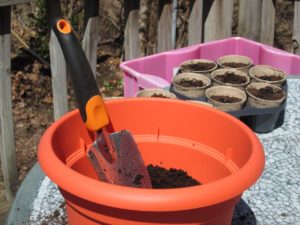 You do have a garden, don’t you? Even if it’s only a few herb pots or flowers, give them extra care today. Summer solstice is the longest day of the year when photosynthesis is at its peak due to all that sun. Even if it’s cloudy, the daylight provides extra time for growth.
 Oh boy! The Rational Heathen gets to weigh in when it comes to sex rites. Look, before we get started, if you’re all for sex rites, orgies, and kink in your life, this post isn’t for you. You can merrily go about your business and have fun. No, this is for those folks who are a bit on the uncomfortable side when it comes to joining in a sex rite that is purportedly Heathen.
 folks are closer to celibate and some are swingers. Some are into BDSM. What you do in your bedroom and is between consenting adults is pretty much your business. A large number of heathens are gay and lesbian, according to interesting polls. That being said, let me reiterate: what you do in your bedroom and is between consenting adults is pretty much your business. I’m not talking about you. No, I’m talking about coerced sex rights. I’m talking about people who claim you can only know a god or goddess if you perform sex with them or their members.
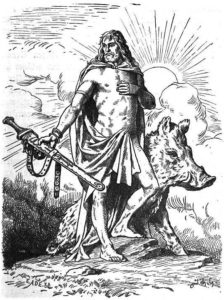 I honestly couldn’t see the problem. The information looked decent enough, but I trust Tyr. It was a couple of years later when Tyr’s words proved spot on. I ran across several conversations how this person used their students for sex rites. Now, I don’t know the entire situation, but when a mentor starts using students for sex, it is a violation of trust. Sure, they might be willing, in the hopes of gaining more knowledge or favors from the fertility and sex gods, but seriously? It is taking advantage of another person. And that, my friend, is where I have a huge issue with it.
 Easter has never been my favorite time, largely because it’s a Christian holiday that is pretty much a celebration of their death-cult god. Even when I was growing up, other than getting Easter baskets with lots of yummy chocolate, all I remember is having to get dressed up and go to church and afterwards a brunch that was maybe okay. (Never mind the fact that ham was the main dish, ahem…in honor of Freyr.)

 Go Have Fun While the Christians are in Church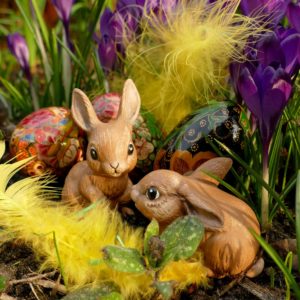


.jpg)

