The Norse Calendar: Harpa or Gaukamánuður Month
 Welcome, fellow Heathens, to the month of Harpa or Gaukamánuður. In modern times, this month roughly corresponds with the middle of April and marks the arrival of spring. In Old Norse tradition, Harpa was a time of celebration and renewal. People celebrated because winter gave way to the sun’s warmth and spring’s return.
Etymology of Harpa and Gaukamánuður
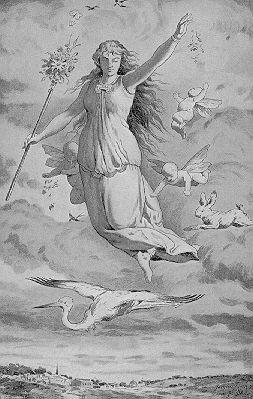
The month of Harpa takes its name from the harp. People associated this musical instrument with the goddess Eostre or Ostara, whom pagans celebrated this time of year. Eostre is a Germanic goddess of spring and fertility. Ancient Heathens often depicted her with hares or rabbits, which were symbols of fertility and rebirth.
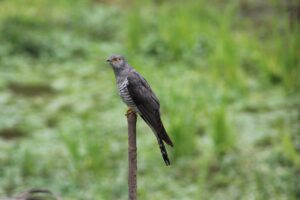
Gaukamánuður takes its name from the cuckoo, a migratory bird that returns to Scandinavia during the spring. The cuckoo’s arrival heralded the changing season, and the bird became a symbol of spring and renewal.
Celebrating the Return of the Sun
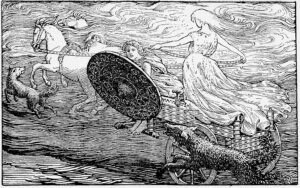 During the month of Harpa, the Vikings celebrated the sun’s return and the longer days. In Norse mythology, the sun is personified as the goddess Sunna, who rides across the sky in a horse-drawn chariot. The Vikings celebrated the return of the sun with festivals and rituals.
The Blót of Eostre or Ostara
One of Harpa’s most important festivals is the Blót of Eostre or Ostara, It is held to honor the goddess of spring and fertility. The Blót was a sacrificial rite in which animals, usually a boar or a goat, were slaughtered and their blood was offered to the gods. The meat was then cooked and shared among the community in a feast that marked the beginning of spring.
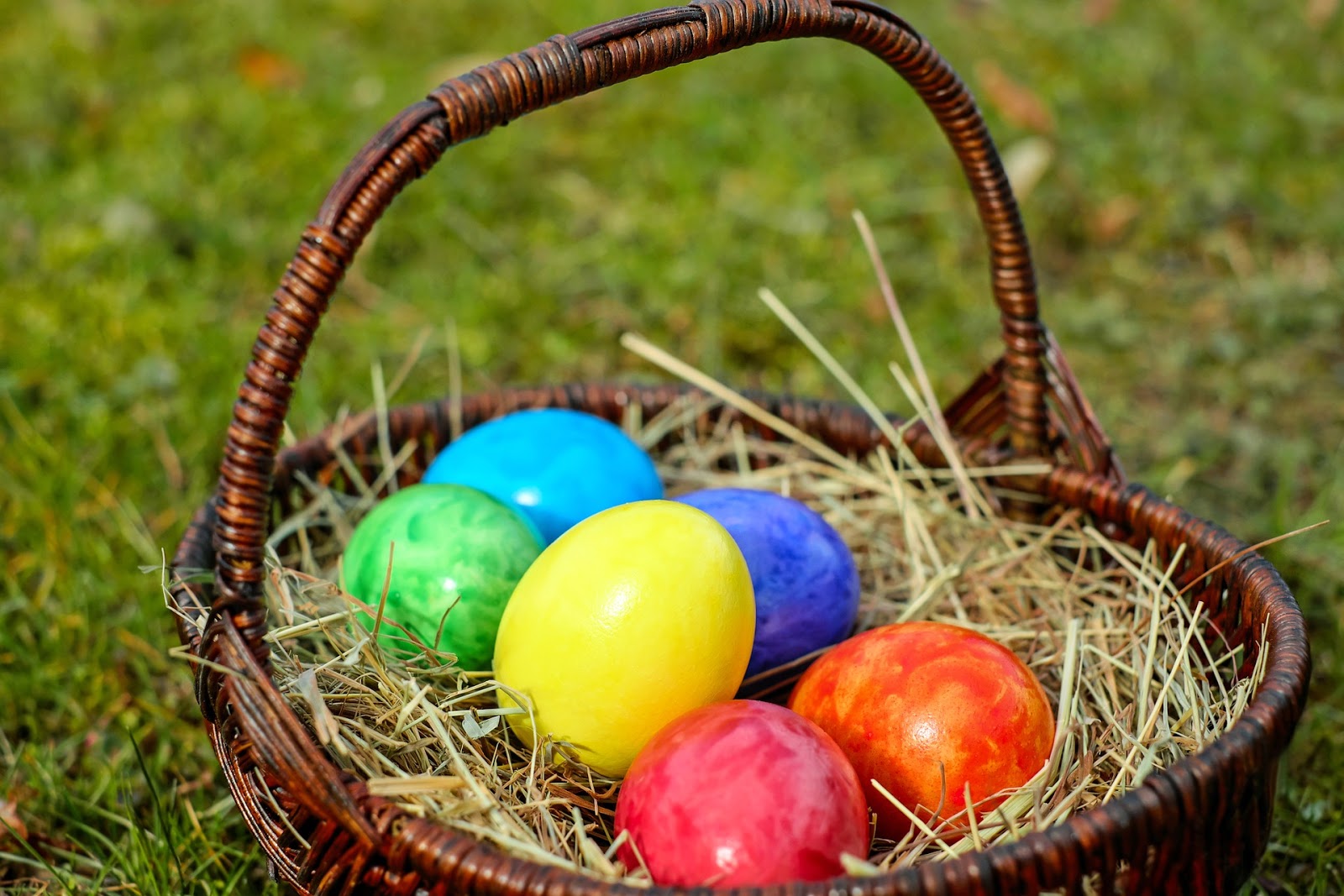
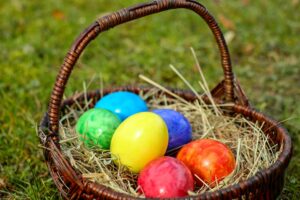 During the Blót, offerings of eggs and flowers were also made to the goddess Eostre, as eggs symbolized new life and flowers represented the beauty of nature. The festival of Eostre was also associated with the Christian holiday of Easter, which falls around the same time of year and shares many similarities with the pagan celebration.
Walpurgis Night Festival
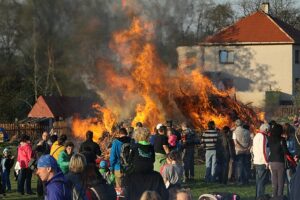
Another important festival is Walpurgis Night, which is celebrated on the night of April 30th. Walpurgis Night was named after Saint Walpurga, a Christian missionary who was venerated in Scandinavia. It may sound strange to celebrate this holiday, but the festival, itself, has pagan origins. Unfortunately, the name has been lost to time.
During Walpurgis Night, the Vikings would light bonfires and dance around them. This celebrated the arrival of spring and warded off evil spirits. They believed the bonfires had purifying and healing powers, and people would jump over them for good luck and fertility.
Other Rituals and Activities
Harpa was also a time for spring cleaning and renewal. The Vikings would clean their homes and barns. Now is the time they would repair any damage caused by the winter and prepared for the planting season. They would also perform rituals to bless their crops. To ensure a good harvest, they might sprinkle the fields with holy water or ashes from the Yule log. Or they might make offerings to the land spirits.
In addition to the festivals and rituals, Harpa was also a time for outdoor activities and games. The Vikings would engage in sports such as archery, wrestling, and spear throwing, as well as horse racing and boat races. These activities were not just for entertainment, but also served as a way to train for warfare and maintain physical fitness.
Celebrating Harpa or Gaukamánuður
As modern-day Heathens, we can still honor the traditions of the month of Harpa and celebrate spring’s arrival. We can hold Blót rituals, make offerings of flowers and eggs, and hold feasts with friends and family. We can also perform spring cleaning rituals in our homes and gardens, and take part in outdoor activities that connect us with the natural world.
One way to honor the goddess Eostre is to create an altar or shrine dedicated to her. This can be as simple or elaborate as you like, and can include offerings of eggs, flowers, or other items. You may also wish to light candles or incense in her honor. Use them in meditation on her qualities of fertility, growth, and renewal.
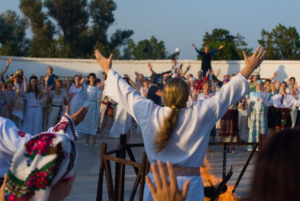 Another way to celebrate the month of Harpa is to hold a bonfire or other outdoor gathering with friends and family. You can gather around the fire, share food and drink, and tell stories or sing songs that connect you with the natural world. You may also wish to perform a ritual or make offerings to the land spirits, asking for their blessings on the coming season.
Finally, you can connect with the spirit of the cuckoo during the month of Gaukamánuður by spending time outdoors and observing the signs of spring. You may hear the cuckoo’s call, or see other signs of wildlife returning after the winter. You can also plant seeds or tend to your garden, honoring the cycle of growth and renewal that is central to this season.
Consider Celebrating Harpa or Gaukamánuður
The month of Harpa or Gaukamánuður was a time of celebration and renewal in Old Norse tradition, marking the arrival of spring and the return of the sun’s warmth. As modern-day Heathens, we can honor this tradition by holding Blót rituals, creating altars to the goddess Eostre, holding bonfires or outdoor gatherings, and connecting with the spirit of the cuckoo and the natural world. By doing so, we can deepen our connection to the season and the cycles of nature, and honor the traditions of our ancestors in meaningful and relevant ways.
—
Hey! Did you enjoy this article? This article was funded by my awesome patrons over at Patreon. For as little as $5 a post you can support this blog and see many of the posts before they come out and exclusive content! Click here to subscribe and
 All right, buckle up, fellow pagans and Heathens, because it’s time to talk about the elephant in the room: Easter. You know, that holiday where Christians celebrate the resurrection of their lord and savior Jesus Christ by painting eggs, eating chocolate bunnies, and hiding baskets of treats for their kids? Yeah, that one.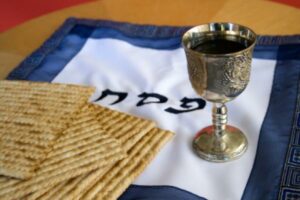
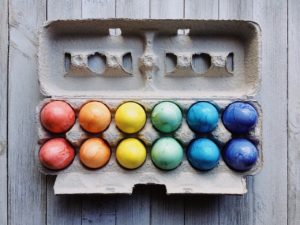 But let’s move on to some of the more tangible trappings of Easter. Eggs, for example. The egg is a potent symbol of fertility and new life in many cultures. Eggs have been used in springtime celebrations for thousands of years.
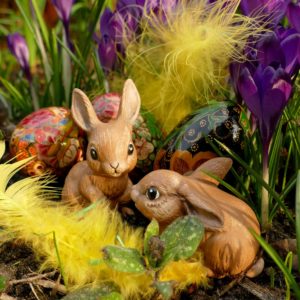
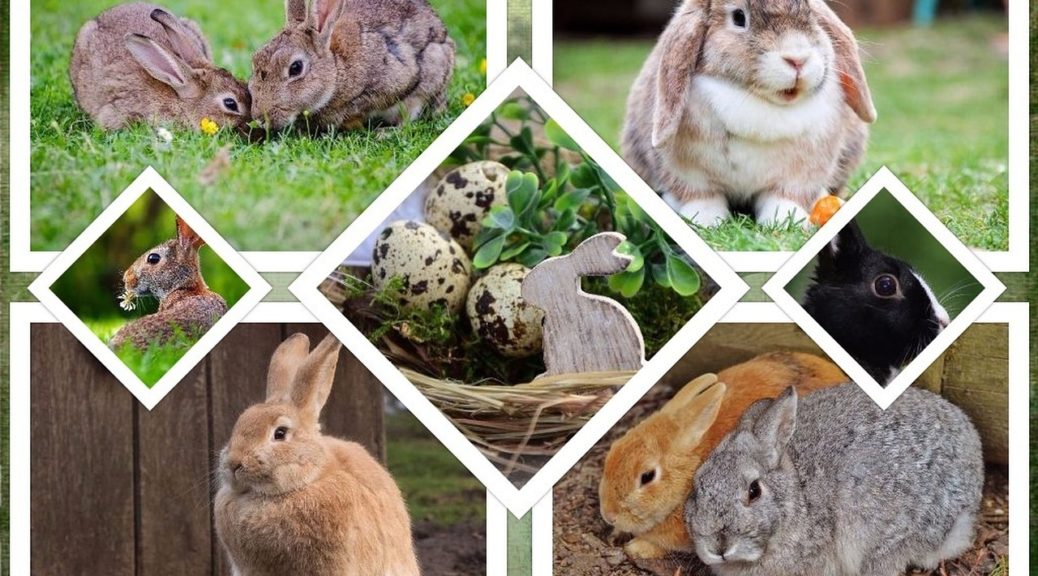
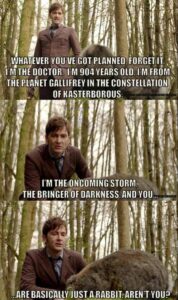 Let’s now look at the Easter bunny. This fluffy little creature has nothing to do with the resurrection of Jesus Christ, but everything to do with the pagan celebration of spring. In Germanic folklore, the hare was associated with the goddess Ēostre, and was seen as a symbol of fertility and new life. The tradition of the Easter bunny laying eggs (yes, you read that right) is thought to have originated in Germany, where children would make nests for the hare to lay its eggs in.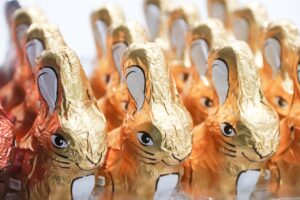

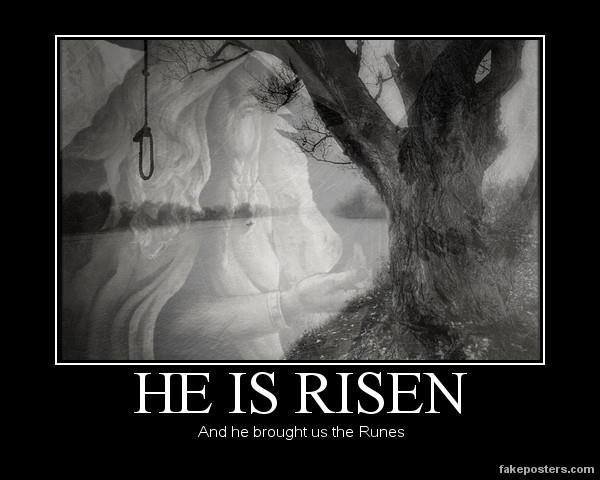
 Every year about this time, Heathens, pagans, and those who don’t celebrate the Christian holiday of Easter are quick to point out that Easter isn’t a Christian holiday; yours truly included. But I do wish to address Easter as a Christian holiday, even if it has taken its name and customs from pagan celebrations.
 Now, before we go into all the pagan traditions surrounding Easter, I’m going to point out that despite my dislike of Christianity and its destruction of paganism, pagans can only superficially claim Easter because it is around the Vernal Equinox. The whole fairy tale of the “purportedly magic Jew” rising from the dead after being crucified is more or less their shtick. It happens around the time of Passover, which is based on the Book of Exodus in the Bible.
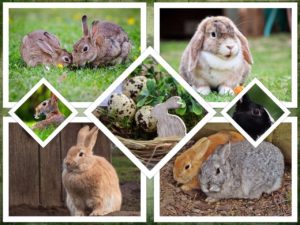 are ingrained in our psyches. But it is a Christian story. Why? Because it doesn’t quite mimic any other pagan myth out there.
 Sure, Easter took on the pagan trappings of Eostre/Ostara. No bunnies were visiting Christ on the cross, as far as we know. And while eggs are purported to be the symbol of rebirth among the Jewish peoples, I haven’t done enough research into that to back that up. But you can read about my opinions,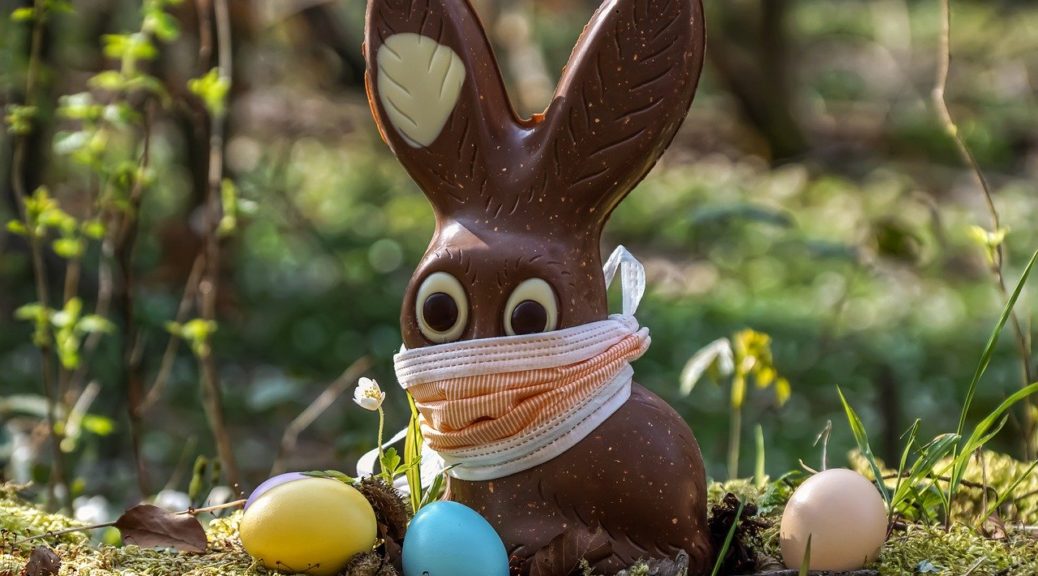




 Go Have Fun While the Christians are in Church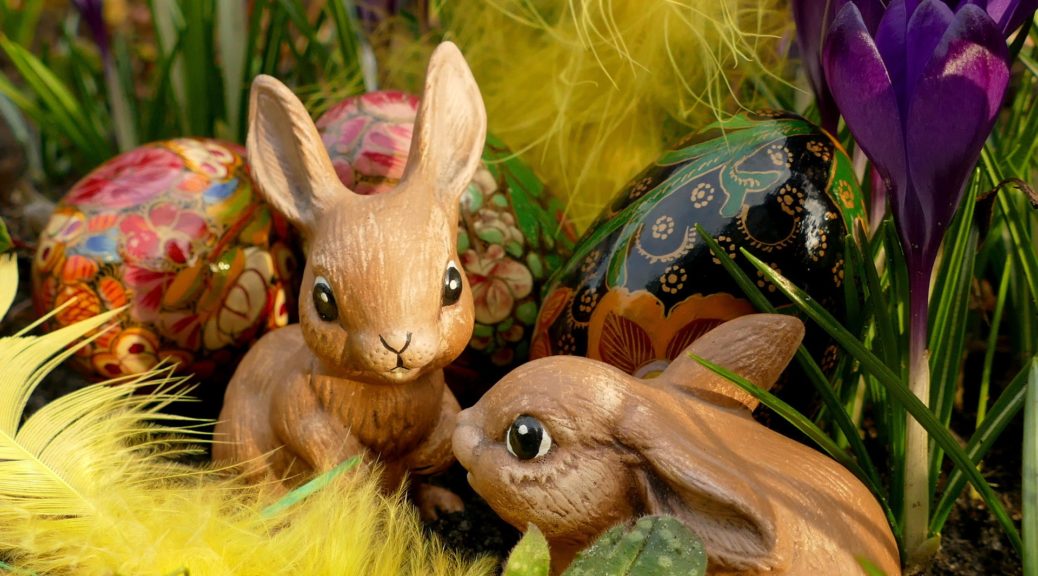



.jpg)

